


Porcelain tile is a ceramic tile composed of a blend of clay, feldspar, and various minerals, is a widely used option for flooring, walls, and other surfaces in both residential and commercial properties. The combination of its durability, versatility, and aesthetic appeal makes it a sought-after choice for many applications. In this write-up, we will delve into the evolution of porcelain ceramic tiles, the methods of their production, as well as their benefits and drawbacks. Whether you’re considering porcelain tile for your home or workplace, or you’re simply interested in the history and manufacturing of this type of tile, this article will provide you with all the relevant information and explain what is porcelain tile in detail.
Now explore emmet’s Porcelain Tile and request for quotation.
History of Porcelain Tiles
The history of porcelain dates back to ancient China, where it was first developed during the Tang dynasty (618-907 AD). The Chinese used kaolin clay, feldspar, and quartz to create a material that was stronger and more durable than other ceramics. They used this material to create decorative objects such as vases, figurines, and dishes.
Porcelain was first introduced to Europe in the 16th century through trade with China. European potters were fascinated by the properties of porcelain and began to experiment with the material. The first porcelain factory in Europe was established in Meissen, Germany in 1710. Since then, porcelain has become a popular material for creating decorative and functional objects, including ceramic tiles.
Manufacturing Process of Porcelain Tile
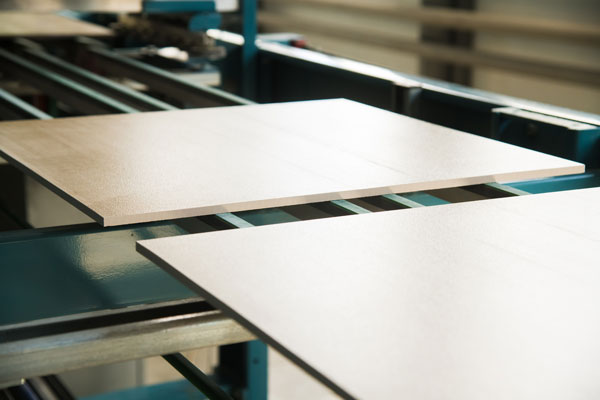
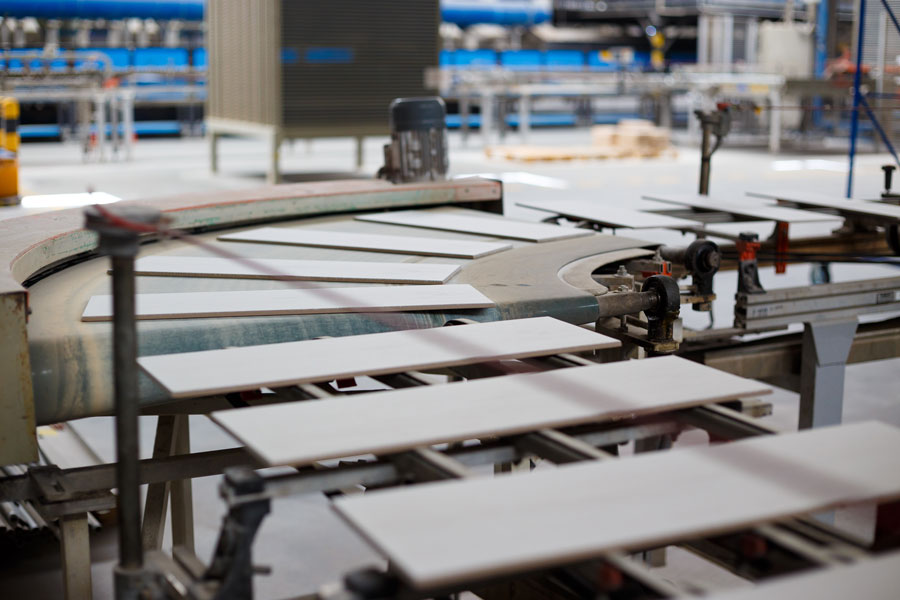
The manufacturing process of porcelain tiles involves several steps, including mixing, pressing, firing, and glazing.
Mixing: The first step in the manufacturing process is to mix the raw materials. The primary ingredients are kaolin clay, feldspar, and quartz. These ingredients are mixed with water to create a slurry.
Pressing: The slurry is then pressed into tiles using a hydraulic press. This process removes excess water and compresses the clay particles to create a dense, strong tile.
Firing: The tiles are then fired in a kiln at high temperatures, typically between 1,200 and 1,400 degrees Celsius. This process causes the clay particles to fuse together and creates a hard, dense tile.
Glazing: Once the tiles have been fired, they are often glazed to add color and protect the surface. Glaze is a liquid coating that is applied to the surface of the tile and then fired again. This process creates a smooth, glossy surface that is resistant to stains and scratches.
Read more about ‘Iran Ceramics and Tiles: All about Iran Ceramics & Tiles and its Super Quality”.
Benefits of Porcelain Tile
Porcelain tiles offer several benefits that make them a popular choice for homes and commercial buildings.
Durability: Porcelain tiles are extremely durable and can withstand heavy foot traffic, spills, and other types of wear and tear. They resist scratches, chips, and stains, making them a great choice for high-traffic areas.
Low Maintenance: Porcelain tiles are easy to clean and require minimal maintenance. They can be wiped clean with a damp cloth and mild detergent, making them a great choice for busy households.
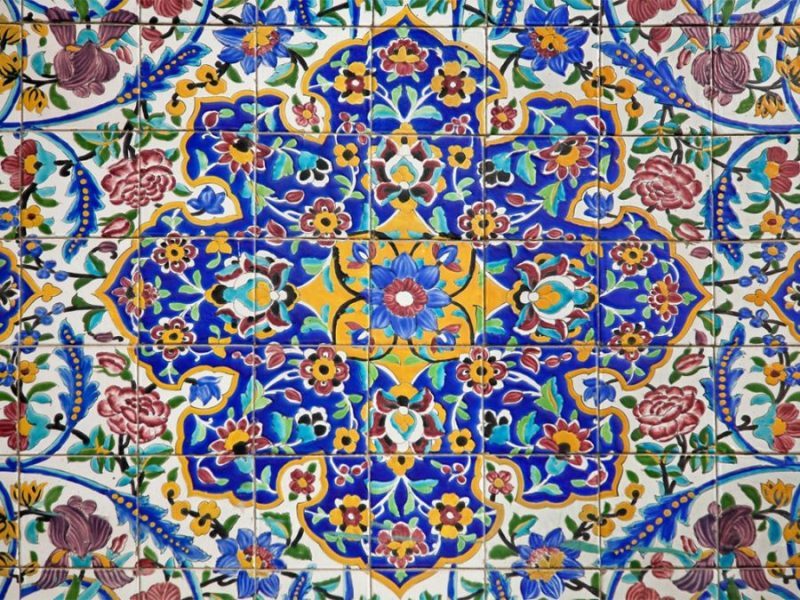
Versatility: Porcelain tiles come in a wide range of colors, patterns, and textures, making them a versatile option for any design scheme. They can be used on floors, walls, countertops, and even outdoor spaces.
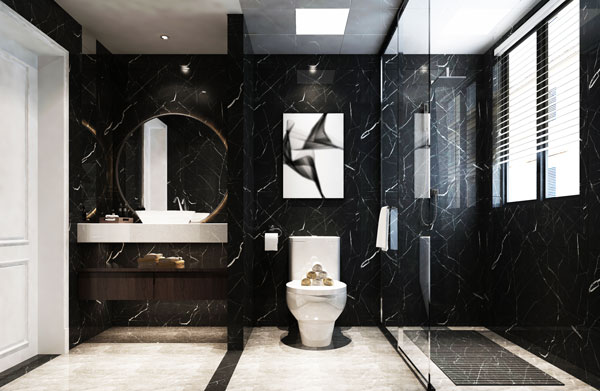
Moisture Resistance: Porcelain tiles are moisture-resistant, making them a great choice for bathrooms, kitchens, and other areas that are exposed to water.
Environmental Benefits: Porcelain tiles are made from natural materials and can be recycled at the end of their life. They also have a long lifespan, reducing the need for frequent replacement.
Now explore Emmet’s Porcelain Tile and request for quotation.
Drawbacks of Porcelain Tile
While porcelain tiles offer several benefits, there are also some drawbacks to consider.
Cost: Porcelain tiles are typically more expensive than other types of tiles, such as ceramic tiles.
Installation: Porcelain tiles can be difficult to install due to their weight and density. They may require special tools and techniques, which can increase the cost of installation.
Slipperiness: Some types of porcelain tiles can be slippery when wet, which can be a safety hazard, especially in areas such as bathrooms and kitchens. It is important to choose a tile with a slip-resistant finish or to use rugs or mats to reduce the risk of slips and falls.
Installation Process: The process of installing porcelain tiles can be more complicated than other types of tiles. This is because porcelain tiles are thicker and harder than other types of tiles, which can make them more difficult to cut and shape. This can increase installation costs and requires the use of specialized tools and equipment.
Weight: Porcelain tiles are heavier than other types of tiles, which can make them more difficult to transport and install. This can increase the cost of installation, as it may require additional labor and equipment.
Conclusion
Porcelain tile is a popular choice for homes and commercial buildings due to its durability, low maintenance, versatility, and aesthetic appeal; read more. They offer a number of advantages over other tiles, including moisture resistance, environmental benefits, and resistance to scratches, chipping, and stains. However, there are also some downsides to consider, including cost, difficulty in installation, and slippage. Despite these disadvantages, porcelain tiles are still a popular and practical choice for many applications.
Now explore Emmet’s Porcelain Tile and request for quotation.




I’ve been surfing online more than 2 hours today, yet
I never found any interesting article like yours.
It’s pretty worth enough for me. In my view, if all
web owners and bloggers made good content as you did, the internet will be a lot more
useful than ever before.